
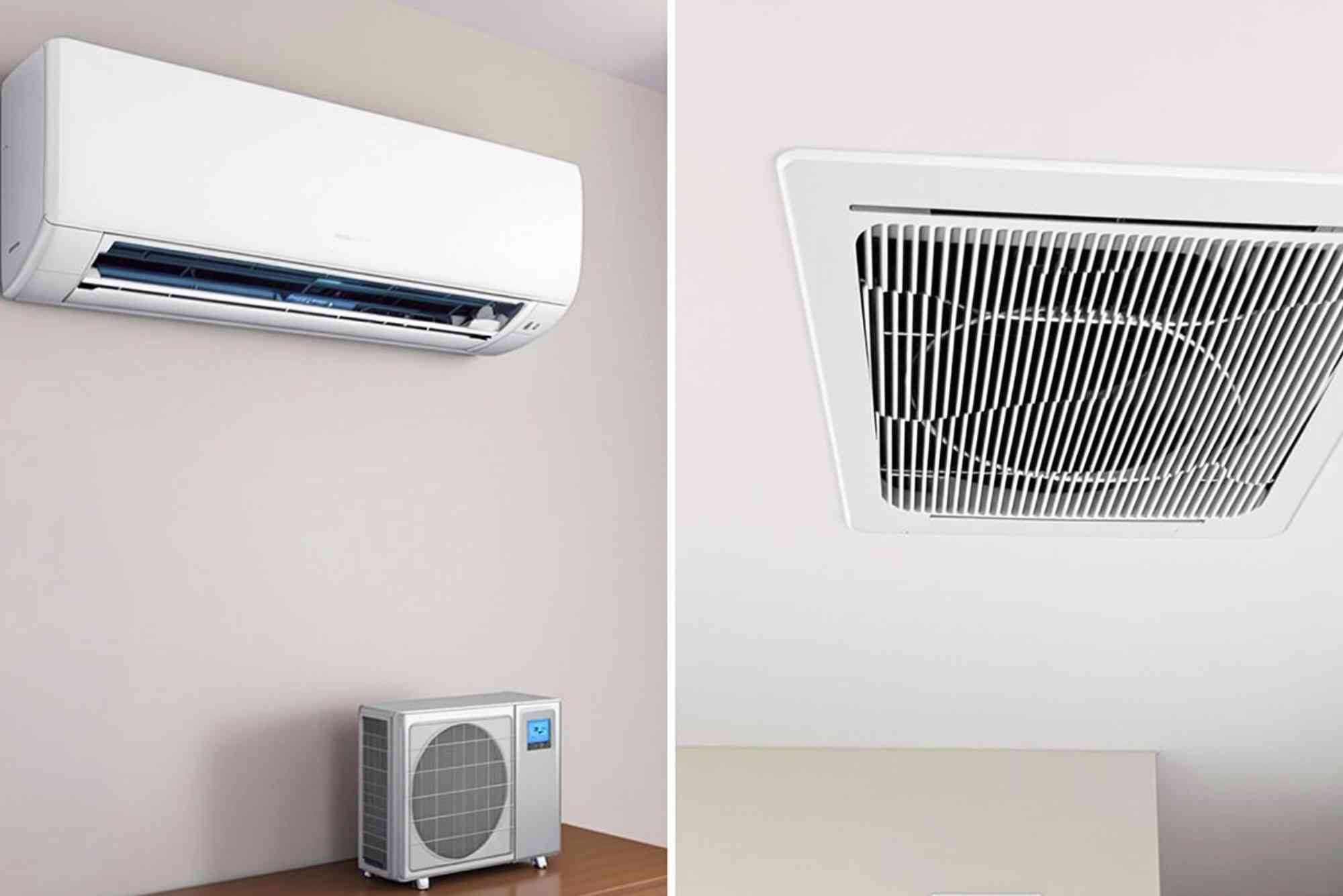
Ducted AC vs Split AC – Which is Better?
When it comes to cooling solutions for homes and offices in the UAE, the choice between ducted AC and split AC often creates confusion. Both systems offer unique advantages, but selecting the right one depends on factors such as space, budget, energy efficiency, and lifestyle preferences. In this guide, we’ll break down the key differences, helping you understand ducted AC vs split AC – which is better for your needs.
Understanding Ducted AC Systems
Ducted AC systems are centralized cooling solutions that distribute air through a network of concealed ducts. The system usually consists of a large outdoor compressor and an indoor air-handling unit connected to ducts that run across ceilings or walls. This setup allows for even cooling across multiple rooms, making it ideal for larger homes, offices, or villas.
One of the biggest advantages of ducted AC is its ability to maintain a uniform temperature throughout a building. Unlike individual split units, which cool specific areas, ducted systems ensure that every room experiences consistent comfort. Modern ducted AC systems also come with zoning capabilities, allowing you to control temperatures in different areas independently, reducing energy wastage.
Aesthetically, ducted AC has a clear edge over split AC. Since the air is delivered through hidden vents, there are no bulky indoor units spoiling the room’s décor. This makes ducted systems a preferred choice for luxury apartments, high-end villas, or offices where design and ambiance matter.
However, ducted systems are generally more expensive to install. They require professional design and installation of ductwork, which can be complex in existing structures. Maintenance is also more involved, as cleaning the ducts and checking the system periodically is essential for optimal performance.
Exploring Split AC Systems
Split AC systems, on the other hand, are simpler in design. They consist of an indoor unit mounted on a wall and an outdoor compressor. The indoor unit blows cooled air directly into the room, making it highly efficient for individual spaces. Split ACs are widely used in apartments, smaller villas, and offices with confined areas.

The main advantage of a split AC is its flexibility. You can install multiple split units across different rooms, and each unit operates independently. This allows targeted cooling, which can save energy if you don’t need to cool the entire building at once. Split ACs are also relatively easier and cheaper to install compared to ducted systems.
Energy efficiency is another factor where split ACs shine in smaller spaces. Since they are designed for single-room cooling, they consume less energy when compared to running a full ducted system unnecessarily. Furthermore, maintenance is straightforward; cleaning filters and servicing the unit are simple tasks that can be performed by a technician with minimal disruption.
However, split ACs can compromise the aesthetics of a room due to the visible indoor unit. They also may not provide uniform cooling across larger spaces, which can lead to temperature differences between rooms.
Comparing Cost and Installation
When evaluating ducted AC vs split AC – which is better, cost is often a deciding factor. Split AC units have lower upfront costs and simpler installation, making them ideal for budget-conscious homeowners or renters.
Ducted AC systems involve higher initial investments due to complex ductwork and the central unit. Installation can take days and may require structural adjustments. Yet, the long-term benefits of uniform cooling, better aesthetics, and zoning control often justify the initial expense, especially in larger properties.
Energy Efficiency and Performance
Efficiency plays a crucial role in the decision-making process. Ducted AC systems, when properly designed, can provide efficient cooling across multiple zones. Modern ducted systems come with inverter technology, which optimizes energy usage and reduces electricity bills.
Split AC units are highly efficient for small to medium-sized spaces. They allow individual control for each room, which can prevent energy wastage. In climates like the UAE’s, where cooling is required for most of the year, choosing a system that balances energy efficiency with performance is essential.
Space and Aesthetics Considerations
Space availability is a critical factor when deciding between ducted AC and split AC. Ducted AC systems require sufficient ceiling space to accommodate ducts, making them more suitable for new constructions or large properties. Hidden vents keep the system out of sight, preserving interior aesthetics.
Split AC units are easier to integrate into existing buildings without major renovations. Their compact design allows them to fit in rooms without extensive ceiling modifications. However, their indoor units are visible, which may not align with certain interior designs.
Maintenance and Longevity
Maintenance requirements differ significantly between ducted and split AC systems. Ducted ACs require periodic inspection of ducts, cleaning of filters, and servicing of the central compressor. While this may be more effortful, it ensures long-term performance and even cooling.
Split AC units have simpler maintenance routines. Cleaning the indoor filters regularly and servicing the outdoor compressor ensures efficient operation. Although easier to maintain, multiple units across a building may require more frequent attention compared to a single centralized system.
Longevity is another factor to consider. Both systems have long lifespans when properly maintained, but ducted ACs, being centralized, may have a slight edge in durability due to controlled operation and professional installation.
Choosing the Right System for Your Needs
Selecting between ducted AC and split AC ultimately depends on your specific requirements:
- For larger homes, villas, or offices where uniform cooling and aesthetics matter, a ducted AC system is often the better choice.
- For apartments, smaller villas, or spaces where individual room control is preferred, split AC units offer flexibility and lower installation costs.
- If energy efficiency and targeted cooling are priorities, split AC may be more suitable.
- For long-term value, seamless integration, and zoning control, ducted AC provides a premium solution.
For reliable products and professional installations, you can explore services from an Ac supplier. For brands specializing in high-quality units, an O General ac supplier offers trusted solutions across the UAE.
Conclusion
Deciding between a ducted AC and a split AC comes down to understanding your space, budget, and cooling requirements. Both systems have their strengths and limitations. Ducted AC excels in aesthetics, uniform cooling, and zoning, making it ideal for larger properties. Split AC offers flexibility, targeted cooling, and cost-effectiveness, suiting smaller spaces or apartments.
Ultimately, the right choice ensures comfort, energy efficiency, and long-term satisfaction. Evaluate your needs carefully, consider professional guidance, and invest in a system that will keep your home or office cool and comfortable throughout the year.
Looking to stay ahead in the UAE business landscape? Explore the latest insights, tips, and resources for entrepreneurs, investors, and professionals at UAE Businessman. Our platform connects you with valuable business guides, market trends, and opportunities to help you grow and succeed in the competitive UAE market. Visit now and empower your business journey today!
Related Reading: How to Choose the Right Chauffeur Car for Your Trip Type — full guide
Related Reading: Colbari.com مراجعات: تحليل منصة تداول CFD لعام 2026 — full guide
