
Introduction
Canine pancreatitis is a painful and potentially life-threatening medical condition that requires immediate veterinary attention. The pancreas is a vital organ responsible for producing digestive enzymes and regulating insulin. When it becomes inflamed, these enzymes activate prematurely inside the organ itself, causing it to digest its own tissue.
Understanding canine pancreatitis emergency symptoms, high-fat food dangers, and low-fat recovery diet guidelines is essential for every dog owner. Recognizing early signs enables rapid medical intervention, while strict dietary management prevents future flare-ups and supports a complete recovery.
Understanding Canine Pancreatitis Emergency Symptoms
Recognizing the onset of pancreatic inflammation early can mean the difference between a swift recovery and critical intensive care. Symptoms can appear suddenly or develop gradually over time, depending on whether the condition is acute or chronic.
Severe and repeated vomiting is one of the most immediate indicators of acute pancreatic distress. Dogs suffering from this condition often exhibit extreme abdominal pain and adopt a praying position, where their front legs rest flat while their rear end stays elevated to relieve pressure on the inflamed organ.
Other critical warning signs include complete loss of appetite, severe lethargy, watery or bloody diarrhea, fever, and rapid dehydration. If your dog collapses, shows pale gums, or breathes rapidly, these represent severe systemic complications that demand instant transport to an emergency veterinary hospital.
The Hidden Dangers of High-Fat Foods
Feeding high-fat foods is the single most common trigger for acute pancreatitis episodes in dogs. Dietary indiscretion, such as raiding the trash or receiving rich table scraps, forces the pancreas to secrete massive amounts of digestive enzymes.

Common holiday treats and household scraps pose significant risks to your canine companion. Fatty meats like bacon, sausage, pork ribs, dark poultry meat, and untrimmed fat trimmings are extremely dangerous for your pet’s digestive system.
Even small portions of high-fat foods can trigger severe inflammation in sensitive breeds or predisposed dogs. Breeds such as Miniature Schnauzers, Yorkshire Terriers, and Cocker Spaniels possess a genetic predisposition to lipid metabolism issues, making strict dietary control vital for their safety.
Implementing a Low-Fat Recovery Diet
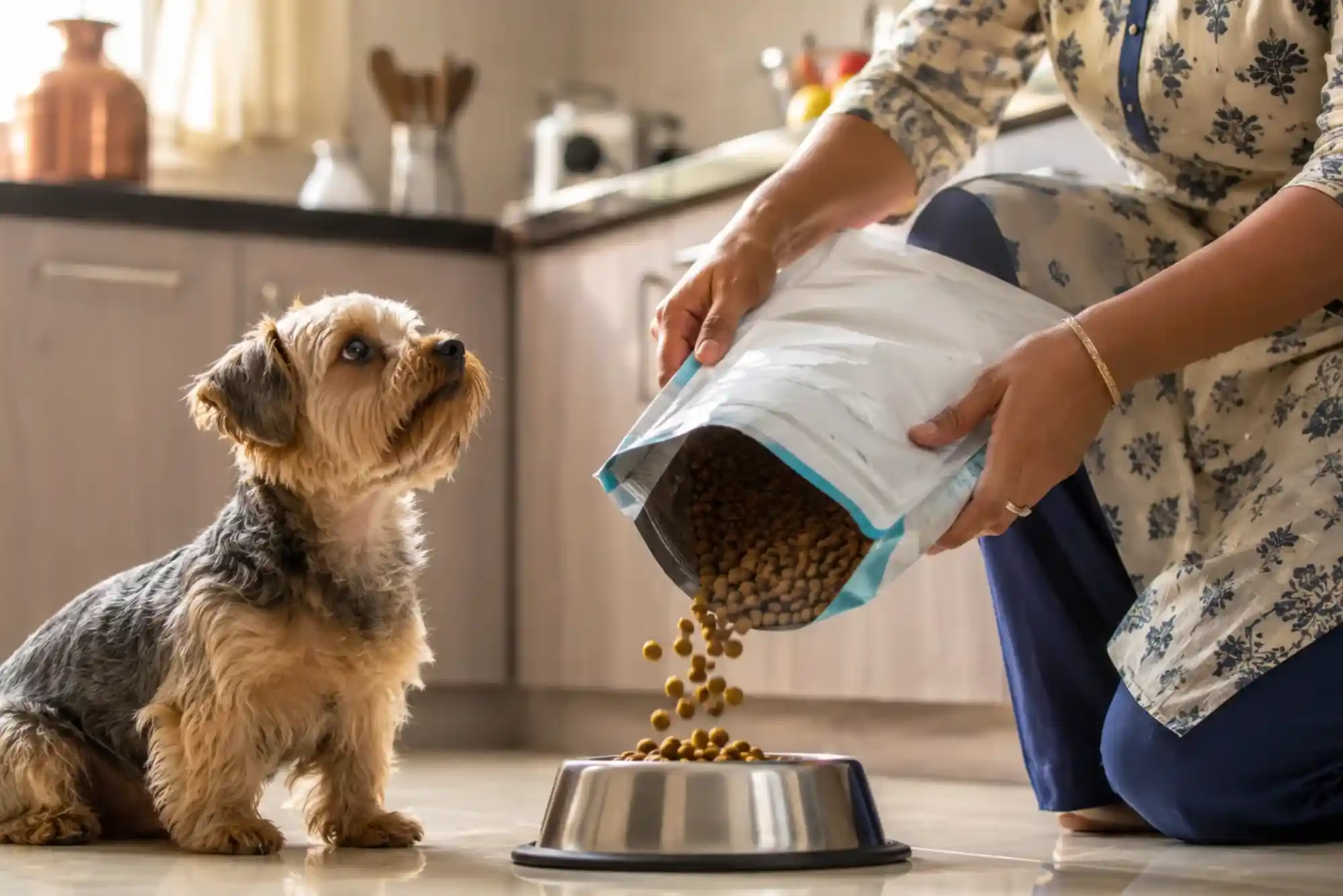
Once your veterinarian stabilizes your dog, transition management shifts toward strict dietary therapy. Nutritional support plays a crucial role in resting the pancreas while supplying basic nutrients needed for tissue repair.
During early recovery, dogs require highly digestible, ultra-low-fat food to prevent triggering enzyme production. Commercial prescription recovery diets formulated specifically for gastrointestinal support are usually the safest choice during this delicate transition period.
Long-term management requires maintaining a diet where fat content is kept strictly under ten percent on a dry matter basis. Feeding multiple small meals throughout the day instead of one or two large meals helps reduce the workload on the pancreas during digestion.
Frequently Asked Questions
How quickly do symptoms of pancreatitis appear after a dog eats fatty food?
Symptoms can appear anywhere from 12 to 72 hours after consuming high-fat food. In severe cases, dogs may show signs of nausea, restlessness, or vomiting within just a few hours of ingestion.
Can a dog fully recover from pancreatitis?
Yes, dogs can fully recover from a mild episode of acute pancreatitis if treated promptly by a veterinarian. Quick medical intervention stops tissue self-digestion and protects surrounding organ function.
What safe treats can I give to a dog prone to pancreatitis?
Safe, low-fat treat options include plain canned pumpkin, cooked green beans, raw carrot slices, sliced cucumber, or small pieces of plain boiled white-meat chicken. These treats satisfy your dog without overloading their digestive system.

